AI Pattern Detection Fuels Optimized Bonus Models in Regulated Multi-Platform Wagering
Uma Roth · Jul 8, 2026
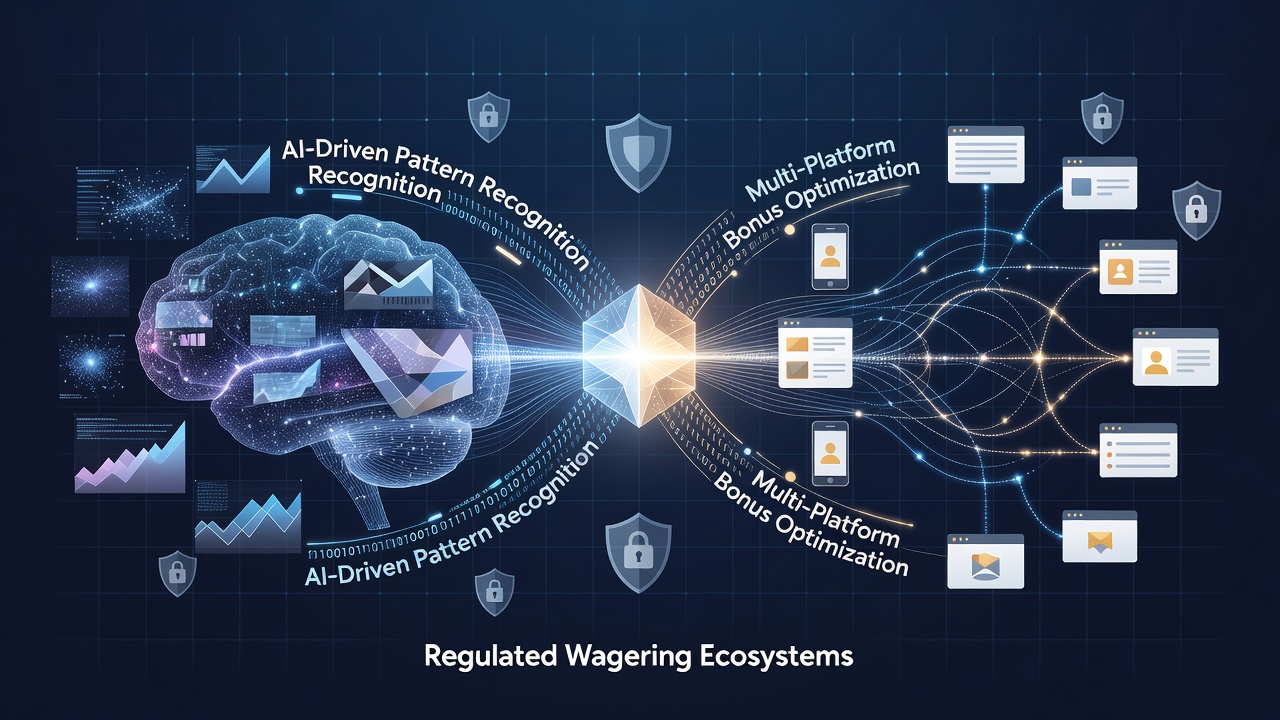
AI Pattern Detection Fuels Optimized Bonus Models in Regulated Multi-Platform Wagering
Regulated wagering ecosystems now rely heavily on artificial intelligence systems that identify user behavior patterns, and these tools help operators distribute bonuses across different platforms while meeting strict compliance rules. Pattern recognition algorithms scan transaction histories, betting frequencies, and session durations to flag opportunities for targeted promotions, yet they also flag potential risks that require intervention from compliance teams.
How Pattern Recognition Works in Practice
Operators deploy machine learning models that process vast datasets from desktop, mobile, and in-venue channels, and the models group users into segments based on deposit velocity, game preference shifts, and response rates to previous offers. Researchers at several academic institutions have documented how these systems reduce irrelevant bonus distribution by up to 40 percent in controlled trials conducted between 2024 and 2025. The technology distinguishes between recreational participants who respond to free bet incentives and higher-volume users who favor cashback structures, allowing platforms to route each group toward suitable promotions without manual oversight.
By July 2026, multiple licensed operators in North America and Australia reported integrating real-time pattern detection into their bonus engines, and this integration coincided with regulatory updates that demanded clearer audit trails for promotional spending. The systems track cross-platform activity so a bonus claimed on a mobile app cannot be duplicated on a desktop site unless the operator's rules explicitly permit it, and regulators in various jurisdictions have begun requiring disclosure of these algorithmic decision trees during licensing reviews.
Multi-Platform Bonus Optimization Techniques
Bonus optimization extends beyond simple personalization because operators must balance player retention goals against responsible gambling obligations across separate regulatory regimes. One common approach involves dynamic allocation engines that adjust offer values according to predicted lifetime value scores derived from pattern analysis, and these engines operate under constraints that prevent offers from exceeding thresholds set by local gaming authorities. Data from industry reports indicates that synchronized bonus campaigns across sportsbooks, casinos, and poker rooms can increase average session length when the underlying algorithms account for platform-specific regulations.
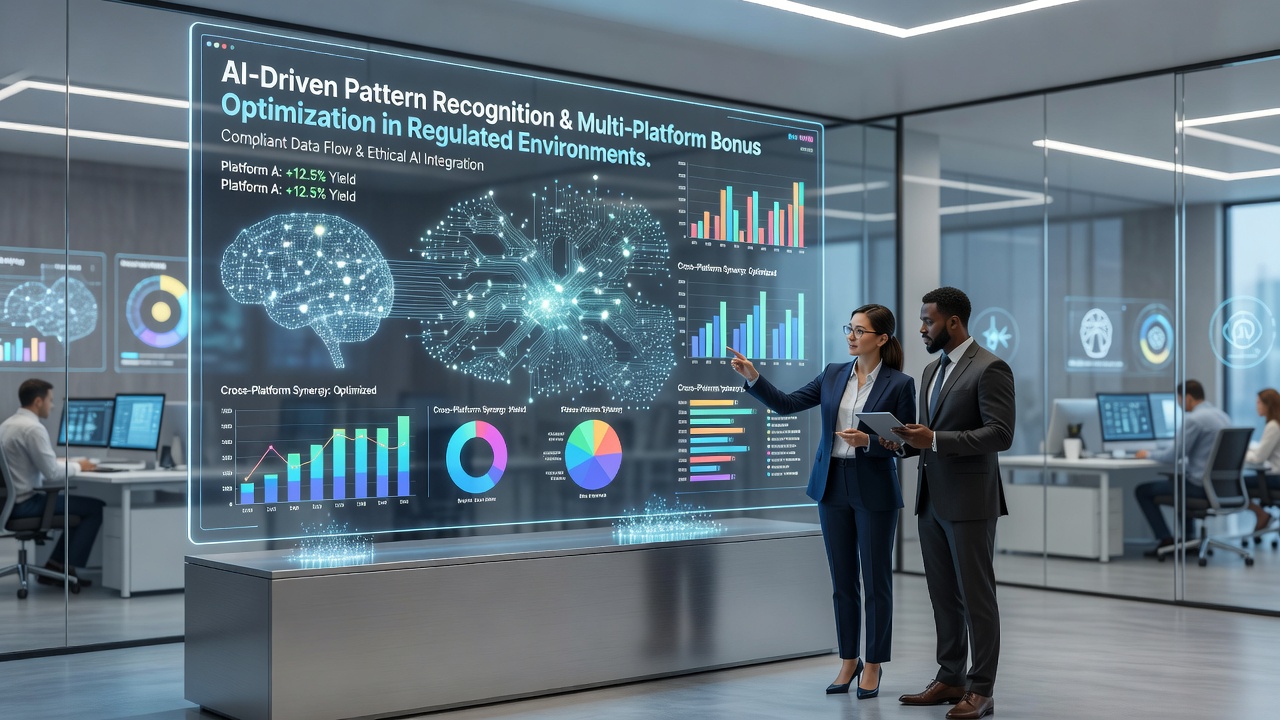
Those who manage multi-jurisdictional portfolios often rely on unified data lakes that feed pattern recognition tools, yet each market maintains separate compliance modules that override recommendations when they conflict with local rules. For instance, an algorithm might suggest a matched deposit offer for a user active on both Australian and European sites, but the system automatically caps the offer according to the stricter jurisdiction's requirements. Trade associations such as the American Gaming Association have published guidance on maintaining these layered controls while preserving operational efficiency.
Regulatory Oversight and Technical Safeguards
Regulators across different regions require that AI systems used for bonus optimization undergo periodic third-party audits, and the audits examine whether pattern recognition inadvertently creates unfair advantages or targets vulnerable groups. Canadian provincial authorities, for example, have examined how these tools interact with self-exclusion databases, and similar reviews appear in forthcoming European frameworks expected later in 2026. The safeguards include hard-coded limits that prevent the algorithm from generating offers for accounts flagged in harm-minimization systems, regardless of the pattern signals detected.
Operators also implement explainability layers so that compliance officers can trace why a particular bonus reached a specific account, and these layers convert complex model outputs into human-readable logs that satisfy reporting obligations. Studies conducted by university research groups have shown that transparent logging reduces the time needed for regulatory inspections by approximately 30 percent compared with earlier manual review processes.
Future Developments in Integrated Systems
Continued refinement of pattern recognition models focuses on incorporating additional data streams such as time-of-day activity and device fingerprinting while remaining within data-protection statutes. Several operators now test federated learning setups that allow models to improve across platforms without centralizing sensitive player information, and early results suggest these setups maintain accuracy levels comparable to centralized training. Regulatory bodies in Australia and parts of the United States have signaled openness to such architectures provided audit access remains intact.
Conclusion
The convergence of AI-driven pattern recognition and multi-platform bonus optimization continues to reshape how licensed operators manage promotions inside regulated wagering environments. Technical capabilities have advanced rapidly, yet they remain bounded by jurisdiction-specific rules that prioritize consumer protection and market integrity. As additional markets adopt similar frameworks through 2026 and beyond, the emphasis on auditable, explainable systems is expected to grow in parallel with the underlying algorithms.