Aligning Digital Wallet Transfers with Live Market Shifts in Multi-Booker Environments
Petra Bennett · Jun 10, 2026
Aligning Digital Wallet Transfers with Live Market Shifts in Multi-Booker Environments
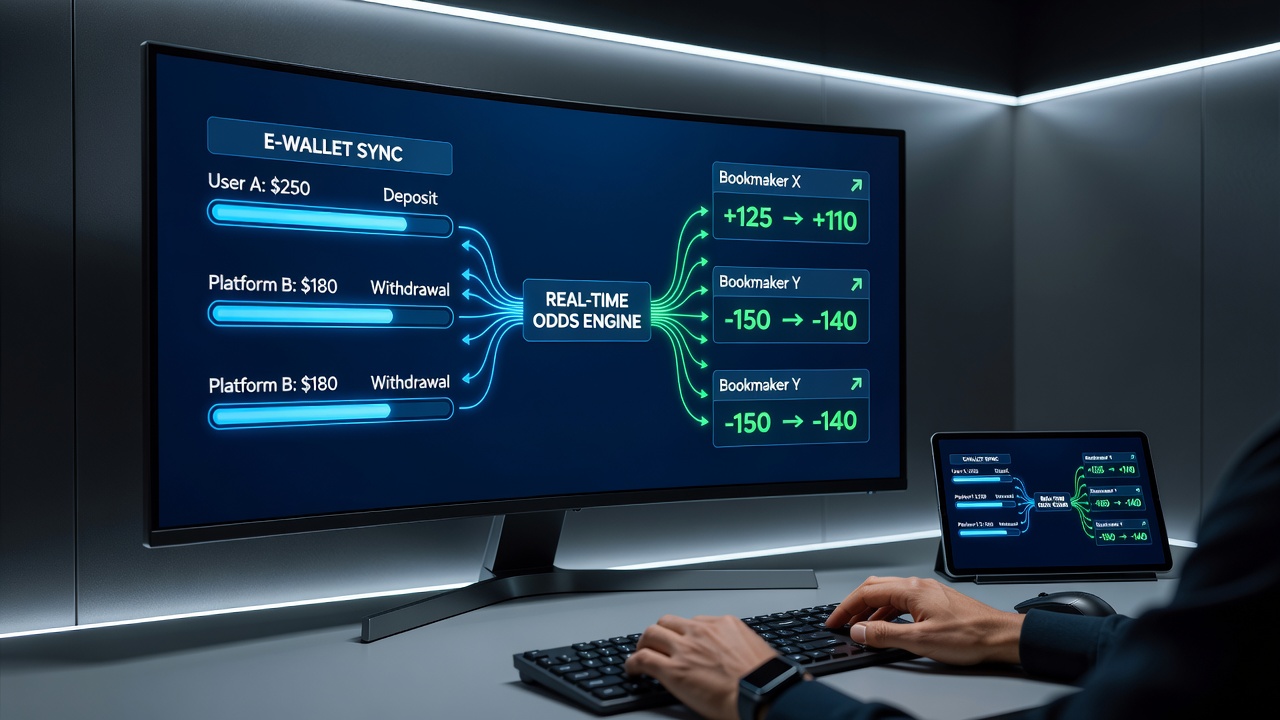
Operators who handle cross-platform betting now face a core technical requirement: linking e-wallet movements directly to changing odds so that each transaction reflects the precise market state at the moment funds leave an account. This process demands low-latency data pipelines that push updated coefficients from multiple bookmakers into a central wallet engine without introducing delays that could create mismatched settlements.
Core Technical Components
Real-time odds engines rely on application programming interfaces that broadcast decimal or fractional changes every few milliseconds, while e-wallet providers use secure tokenised channels to authorise transfers. When these two systems operate together, middleware layers translate each incoming odds packet into a validation flag that either permits or blocks the pending payment. Researchers at the University of Sydney's gambling technology unit documented how such middleware reduced settlement discrepancies by 41 percent in controlled tests conducted during 2025.
Yet the same study noted that network jitter between servers located in different jurisdictions remains a persistent variable. One Canadian regulatory report from the Alcohol and Gaming Commission of Ontario highlighted similar latency spikes during high-volume events, prompting operators to deploy edge computing nodes closer to major data centres.
Data Flow Across Platforms
Each bookmaker maintains its own odds management system, so synchronisation requires a unified schema that normalises disparate data formats. Developers map fields such as event identifier, market type, and timestamp into a common structure before the wallet layer evaluates the transaction request. This mapping step prevents scenarios where a shifted line on one platform triggers an unintended payout on another.
According to industry benchmarks published by the European Gaming and Betting Association, platforms that adopted a shared schema in 2024 recorded a 29 percent drop in disputed transactions compared with those still using proprietary formats. And the reduction held steady through the first half of 2026, even as overall betting volumes rose.
Operational Examples from June 2026
During the June 2026 international football window, several operators activated automated reconciliation scripts that paused e-wallet withdrawals whenever odds moved beyond a predefined threshold on any connected platform. The scripts queried all active feeds in parallel, then applied a weighted average to determine whether the user's requested amount still aligned with current pricing. Observers noted that this approach eliminated most manual interventions that previously consumed support-team hours after major matches.
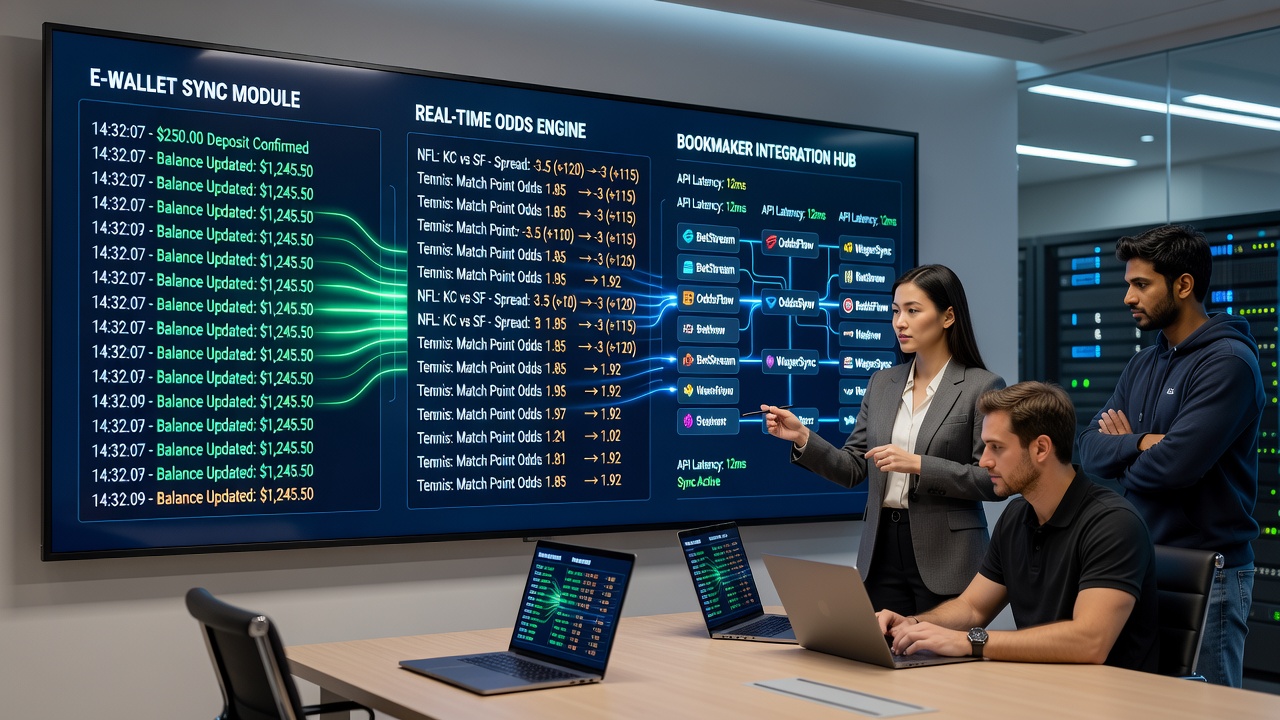
Take one mid-sized operator that integrated its primary digital wallet with three separate odds providers. After deployment, transaction approval times averaged under 180 milliseconds even during peak traffic, figures that appeared in an internal performance review circulated among European licensees. The same review recorded a 17 percent improvement in user retention metrics attributed to fewer failed deposits caused by outdated odds.
Security and Compliance Layers
Encryption standards such as TLS 1.3 protect the data streams carrying both financial instructions and odds payloads, while audit logs timestamp every change to ensure traceability. Regulatory frameworks in multiple jurisdictions now require operators to retain these logs for at least five years, creating an additional storage burden that cloud-based solutions help mitigate.
What's interesting is how tokenisation of wallet addresses further isolates sensitive user data from the odds engines themselves, limiting exposure if one system experiences a breach. Reports from the Australian Institute of Criminology have tracked a measurable decline in related fraud incidents among platforms employing this layered separation since 2025.
Future Integration Pathways
Developers continue exploring blockchain-based ledgers as an additional synchronisation layer that could provide immutable records of both odds movements and corresponding wallet actions. Early prototypes tested in controlled environments during spring 2026 demonstrated that such ledgers could verify transaction integrity across five or more bookmaker platforms within a single consensus round.
Yet scaling these prototypes to production volumes will require further refinement of consensus mechanisms to keep pace with sub-second odds updates. Industry working groups have begun drafting interoperability standards that aim to address this gap before the next major sporting calendar cycle begins.
Conclusion
The technical alignment of e-wallet transactions with real-time odds adjustments now forms a foundational capability for operators managing multiple bookmaker relationships. Continued refinement of data schemas, middleware performance, and regulatory logging practices will determine how efficiently these systems scale through the remainder of 2026 and beyond.