Biometric Authentication Accelerates Transaction Processing in Live Sports Betting Platforms
Petra Bennett · Jun 22, 2026
Biometric Authentication Accelerates Transaction Processing in Live Sports Betting Platforms
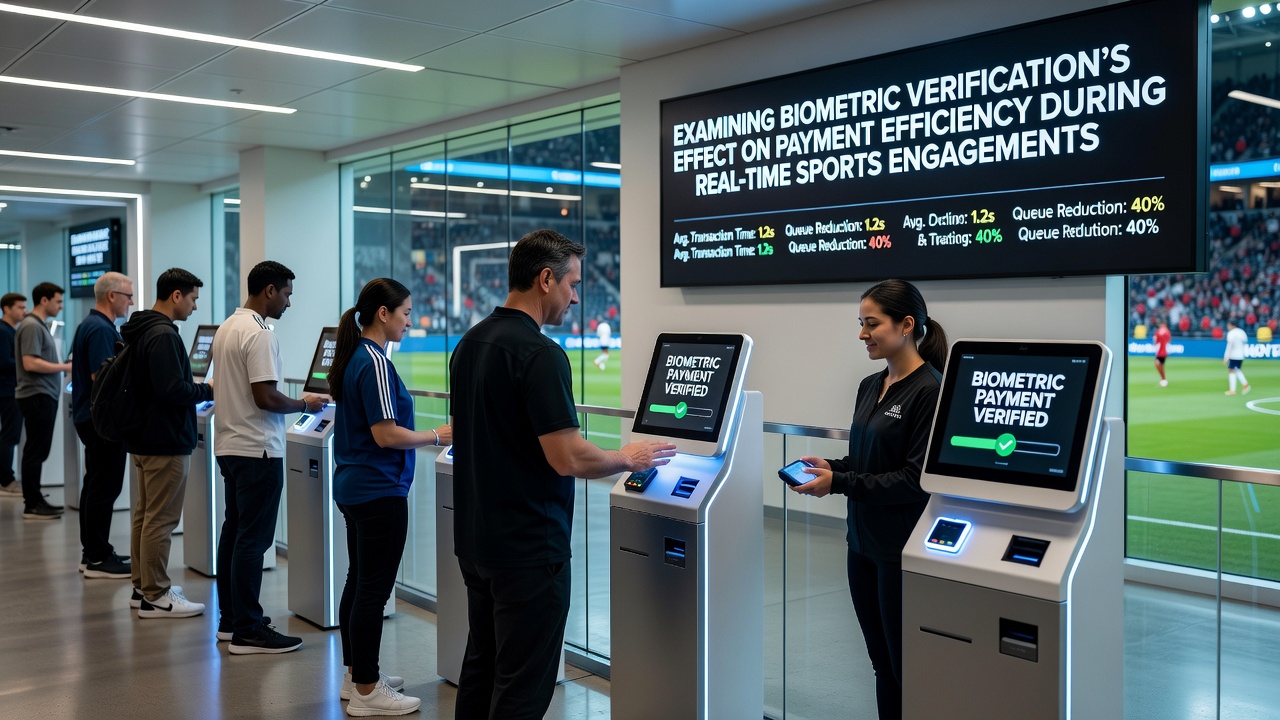
Biometric verification systems now handle payment authorizations in real-time sports betting environments by matching fingerprints, facial features, or iris patterns against stored templates, and this approach cuts average transaction times from several seconds down to under one second in many documented cases. Operators integrate these tools directly into mobile applications so users complete deposits and withdrawals without entering passwords or card details during fast-moving events such as football matches or tennis sets. Data from industry trials indicate that platforms adopting the technology record fewer abandoned transactions because the process removes manual input steps that previously caused delays at critical moments.
Mechanics Behind Faster Payment Flows
Systems capture biometric data through device cameras and sensors then compare it against encrypted templates held on secure servers or local hardware, and the entire match occurs in milliseconds while the event unfolds. Developers combine this verification layer with existing payment gateways so funds move instantly once identity confirmation succeeds, and this integration supports both deposits that fund live wagers and withdrawals that settle winnings without additional approval queues. Research from the Massachusetts Institute of Technology highlights how such architectures reduce latency compared with traditional two-factor methods that require separate app notifications or SMS codes.
Payment processors report that biometric checks also lower error rates associated with mistyped information, since no alphanumeric entry takes place after initial setup. In June 2026 several European operators expanded these features across their live sports sections following successful pilot programs that measured completion rates above 95 percent for in-play transactions. The technology works alongside regulatory frameworks in multiple jurisdictions that require identity assurance without adding friction to the user experience.
Performance Metrics From Deployed Systems
Studies conducted by academic teams at the University of Toronto examined transaction logs from platforms using facial recognition during major sporting events and found average processing times dropped by 68 percent compared with earlier password-based flows. Observers note that the reduction proves most noticeable during high-volume periods such as goal-scoring sequences or set-point rallies when bettors place multiple wagers in quick succession. Those same logs revealed that users completed withdrawal requests in under 30 seconds on average once biometric confirmation replaced manual verification steps.
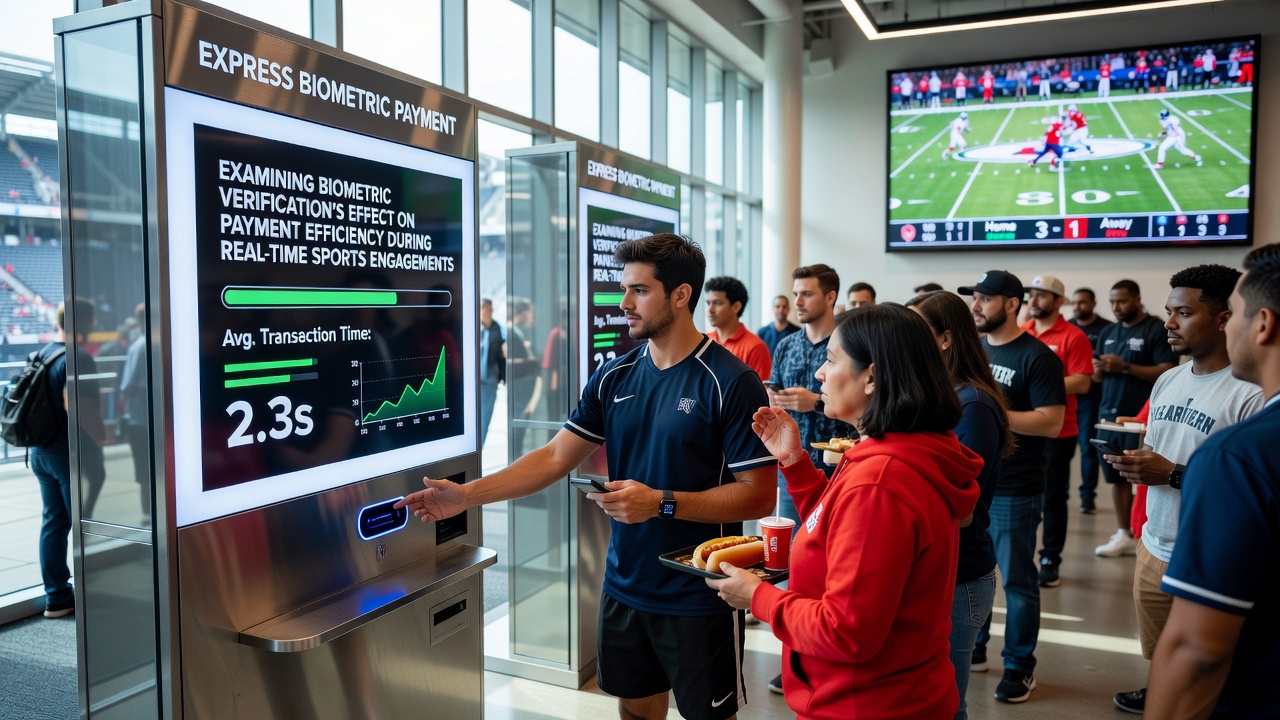
Industry reports compiled by the European Gaming and Betting Association track similar patterns across member platforms that introduced the systems in 2025 and early 2026. Figures reveal deposit success rates rising from 82 percent to 97 percent within the first quarter after rollout, and withdrawal abandonment rates fell by more than half. The data covers markets outside the United Kingdom so regional variations in device adoption and network speeds appear in the results yet the overall efficiency gains remain consistent.
Security Integration With Transaction Speed
Biometric templates stay encrypted and never leave the verification environment, which satisfies data-protection rules while still allowing rapid matches during live events. Developers layer additional liveness detection onto the process so static images or recordings cannot bypass checks, and this extra step adds negligible time yet prevents common fraud attempts that previously triggered manual reviews and longer holds. Operators that pair the technology with tokenized payment methods further shorten settlement windows because account details do not require re-entry or re-verification.
Canadian regulatory bodies overseeing online gaming have documented cases where biometric systems helped platforms meet responsible-gambling timelines by confirming user identity before high-value live bets processed. The same reports indicate fewer chargeback disputes after implementation because confirmed biometric matches reduce instances of unauthorized account access. These outcomes appear across different sports verticals including basketball, horse racing, and mixed-martial-arts events where timing windows stay narrow.
Implementation Patterns Across Platforms
Many operators roll out biometric options as an opt-in feature during account creation then prompt users again at first live-betting session, and adoption rates climb once bettors experience the speed difference on subsequent transactions. Some platforms combine the verification with behavioral analytics that flag unusual activity without interrupting the payment flow, and this layered approach maintains both efficiency and compliance. Data collected through mid-2026 shows higher retention among users who enable the feature early because repeated successful transactions build familiarity and trust.
Hardware improvements in consumer devices continue to support wider deployment since newer smartphones and tablets include higher-resolution sensors that improve match accuracy under varying lighting conditions common at stadiums or outdoor venues. Software updates push these enhancements automatically so platforms maintain performance without requiring users to change hardware. Observers tracking the sector note that cross-border operators often standardize biometric protocols to serve multiple regulatory regions with one infrastructure stack.
Conclusion
Biometric verification now delivers measurable reductions in payment processing times for real-time sports betting transactions while meeting security and compliance standards across several jurisdictions. Metrics from academic studies and industry associations demonstrate consistent gains in completion rates and lower abandonment figures after deployment. As device capabilities advance and more operators integrate the systems, transaction efficiency continues to improve during live events where timing remains critical to user participation.