Funding Channels and Incentive Dynamics in Regulated Wagering Markets
Petra Bennett · Jul 1, 2026
Funding Channels and Incentive Dynamics in Regulated Wagering Markets
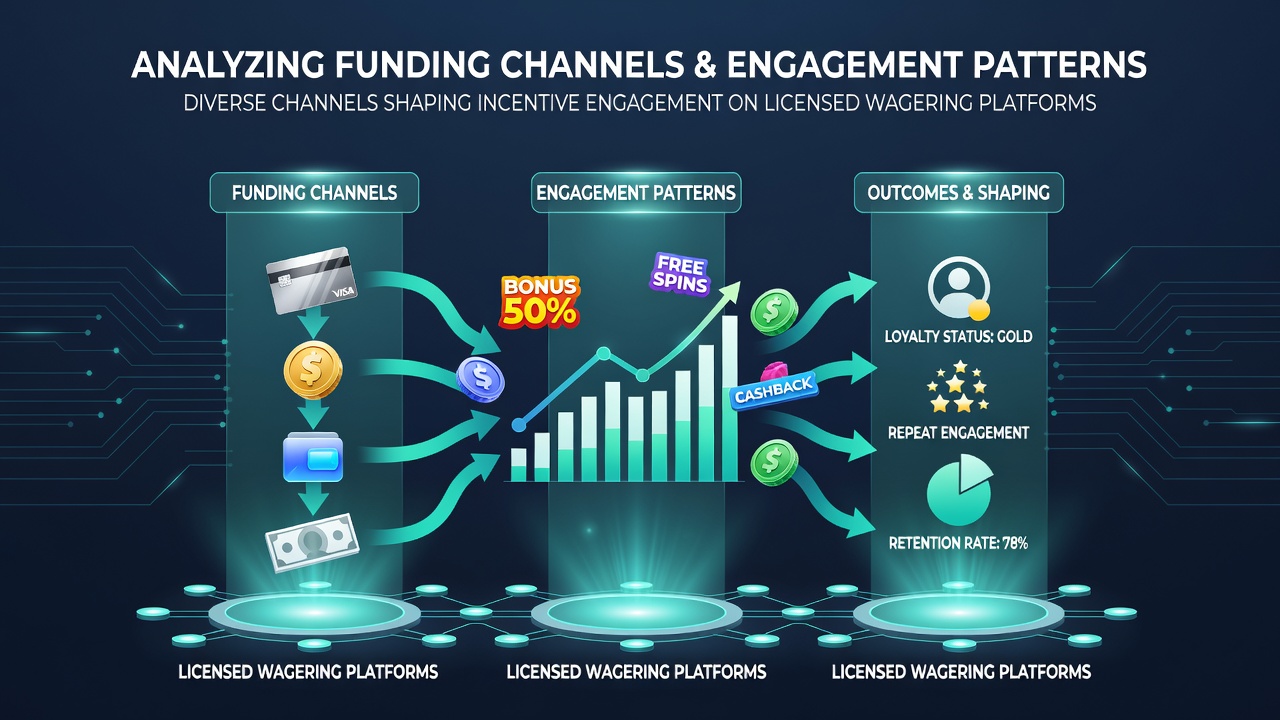
Payment options available on licensed wagering platforms range from traditional bank transfers and credit cards to e-wallets and digital currencies where regulations permit, and each channel carries distinct processing times, fees, and verification requirements that influence how users interact with promotional incentives. Observers note that faster deposit methods often correlate with higher immediate engagement rates because players can access bonuses without delay, whereas slower options like wire transfers may lead to deferred participation even when incentives remain available.
Deposit Speed and Bonus Activation Patterns
Research from industry reports shows that platforms accepting instant e-wallet deposits experience elevated rates of bonus claims within the first hour of user registration compared to those relying primarily on bank transfers, since the reduced friction allows promotional offers such as deposit matches or free bets to activate before user attention shifts elsewhere. Data indicates that in markets where multiple channels coexist, users who select instant methods complete the required deposit and wager-through conditions at higher volumes during promotional windows, particularly when time-sensitive incentives tie to live events or limited-time campaigns.
Studies have examined these patterns across various jurisdictions and found that verification processes tied to certain funding sources add layers of delay, which in turn reduces the likelihood of users fully utilizing complex incentive structures that demand multiple steps or specific wagering sequences. Those who've tracked platform analytics report that credit card deposits, despite wider acceptance, sometimes trigger additional security checks that interrupt the flow from deposit to bonus engagement.
Fee Structures and Net Incentive Value
Transaction fees associated with different channels directly affect the effective value of promotional incentives because users calculate potential returns after costs, and platforms that absorb or minimize these fees see stronger uptake of deposit-linked bonuses. According to findings from the American Gaming Association, operators who partner with low-fee providers maintain steadier engagement levels across incentive programs, while higher-cost options lead to selective participation where only larger deposits justify the expense.
What's interesting is how cryptocurrency channels, in jurisdictions that license them, present variable fee profiles that fluctuate with network conditions, and this variability shapes when users choose to engage with percentage-based deposit bonuses or cashback offers. Evidence suggests that predictable fee environments encourage repeated interactions with stacked promotions, whereas unpredictable costs prompt users to consolidate activity around fewer, higher-value incentives.
Regional Regulatory Influences on Channel Availability
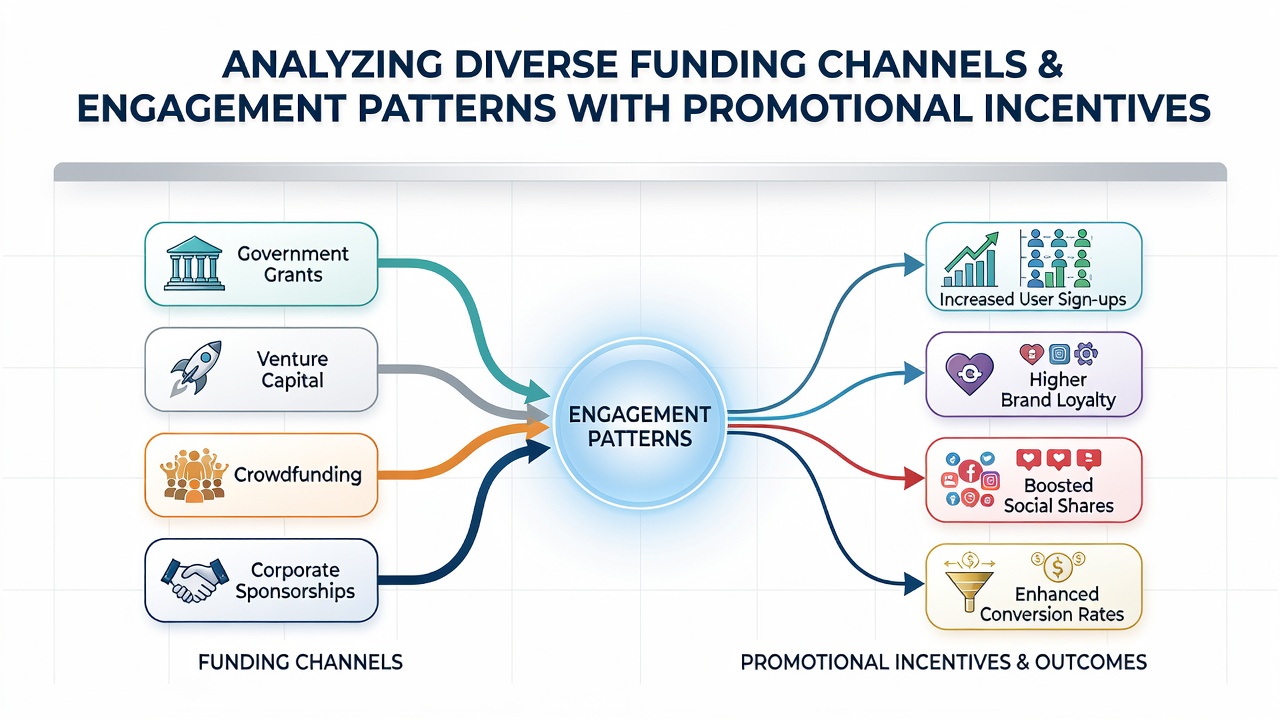
Regulatory frameworks in different regions determine which funding channels operators may offer, and these restrictions create measurable differences in how promotional incentives reach users. In the European Union, for instance, directives on payment services have encouraged broader adoption of regulated e-wallets that integrate smoothly with bonus systems, resulting in documented shifts toward higher-frequency smaller deposits paired with incremental reward redemptions. Australian regulatory bodies have similarly shaped channel availability through licensing conditions that prioritize consumer protection features, and operators there report distinct engagement curves when bank transfers dominate versus when digital wallets expand options.
July 2026 saw several North American jurisdictions expand licensed digital payment integrations, and early figures reveal corresponding increases in promotional participation rates as users gained access to channels with built-in reward tracking tools. These expansions highlight how policy decisions around funding methods ripple through user behavior without altering the underlying incentive mechanics.
Behavioral Segmentation by Channel Preference
Platform data analysis consistently segments users according to preferred funding channels, revealing that e-wallet enthusiasts tend toward rapid cycling through multiple promotions while bank transfer users exhibit more deliberate patterns focused on larger, less frequent incentive claims. Researchers have observed that this segmentation affects overall platform metrics such as average session duration and total wagered amounts tied to bonus funds, with certain channels fostering habitual engagement and others supporting sporadic but higher-stakes activity.
One study from a Canadian research institution linked channel choice to demographic factors including age and device preference, noting that mobile-first users gravitate toward instant digital options and subsequently interact more readily with in-app promotional notifications. Such patterns underscore the interplay between technical channel attributes and the visibility of incentives across different user groups.
Conclusion
The relationship between funding channels and promotional engagement continues to evolve as licensed platforms adapt to regulatory changes and technological advancements in payment processing. Metrics collected across multiple markets demonstrate that channel diversity expands access to incentives while also introducing variables that operators must account for when designing reward structures. Future developments in this area will likely center on optimizing channel offerings to align with observed engagement patterns rather than uniform approaches applied across all users.