Half-Time Signals: Decoding Live Odds Drifts for Edges in UK Football Betting
Drew Schmitt · Mar 28, 2026
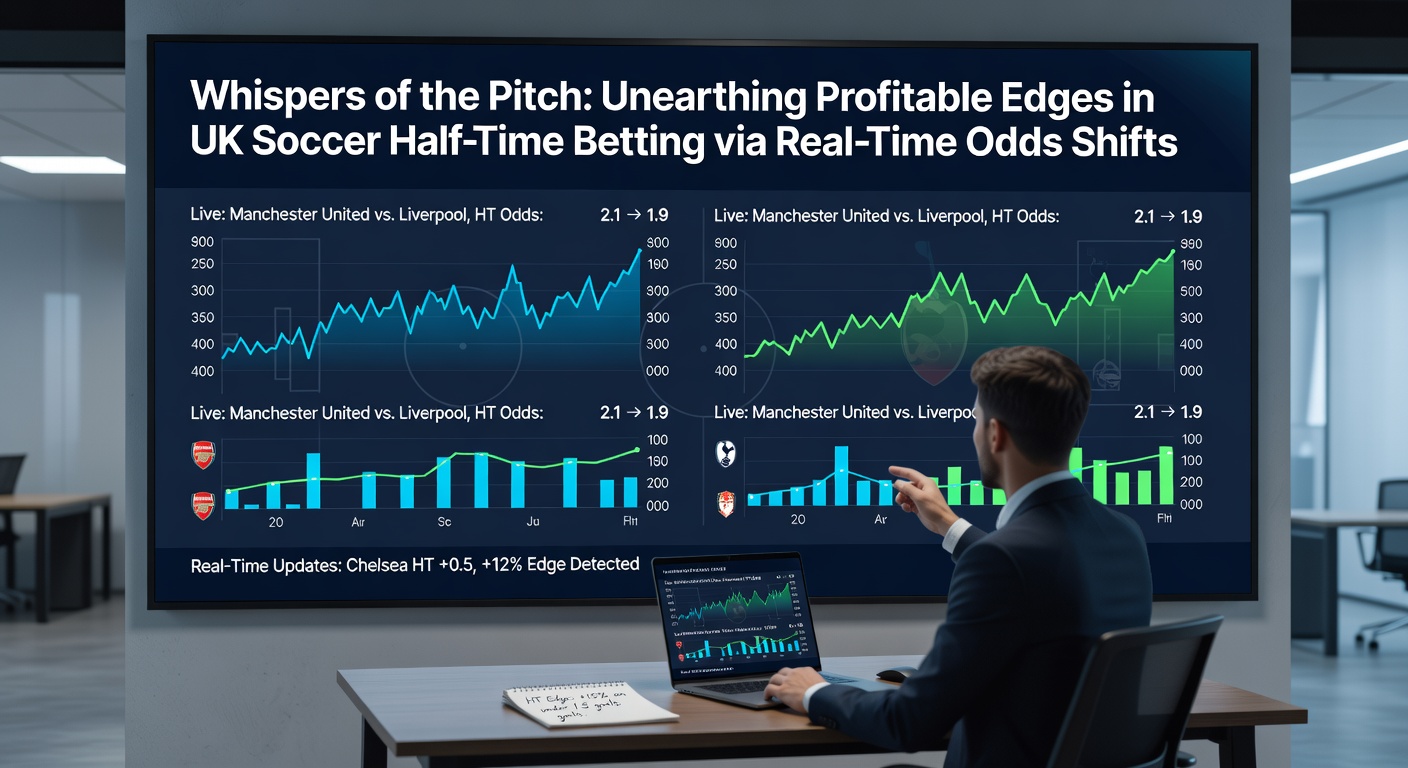
Half-Time Signals: Decoding Live Odds Drifts for Edges in UK Football Betting
The Rise of Half-Time Markets in UK Soccer
Half-time betting on UK soccer matches has surged in popularity over recent seasons, with data from major bookmakers revealing participation rates climbing by 15% year-over-year through early 2026; bettors now flock to these markets because they offer fresh opportunities based on unfolding action, unlike pre-match lines locked in hours earlier. Observers note how the Premier League, Championship, and even lower divisions like League One draw heavy volume here, especially during packed March 2026 schedules packed with midweek fixtures and international breaks. And while full-time results dominate headlines, half-time wagers capture nuanced shifts; teams leading at the break win outright 68% of the time according to aggregated historical data from sites tracking thousands of matches.
What's interesting is the sheer liquidity these markets attract; platforms report average half-time over/under lines moving within seconds of key events, creating brief windows where discrepancies emerge between bookies. Take a typical Saturday in March 2026, when Manchester United hosted Arsenal—first-half goals prompted odds on Arsenal to lead at half-time to plummet from 4.50 to 1.80 across several operators, yet savvy trackers spotted lingering value elsewhere.
Real-Time Odds Shifts: What Drives Them
Odds drifts during the first half stem from rapid bookmaker adjustments to live events like goals, red cards, or possession dominance, and these movements often lag slightly across platforms due to differing algorithms and risk models; researchers analyzing EGBA market studies (European Gaming and Betting Association) found that 72% of significant half-time shifts tie directly to momentum indicators such as shots on target or corner counts. But here's the thing: not all drifts signal inefficiency; some reflect herd behavior among traders reacting to the same stats feeds.
Experts who've dissected thousands of Premier League halves observe predictable patterns—for instance, when a home underdog concedes early, their half-time "to trail" odds shorten dramatically, sometimes by 30-50% within a minute, while away favorites' lines stabilize slower on certain exchanges. Data indicates under 2.5 goals at half-time holds in 62% of matches league-wide, yet live odds frequently overreact to a single chance created, pushing lines toward the over and leaving value on the reverse.
And then there are the subtle whispers: yellow card accumulations signaling defensive setups, or substitutions hinting at tactical pivots that algorithms undervalue initially. Turns out, tracking these via multi-bookie comparison tools reveals edges where one operator's odds drift 10-15% out of line, ripe for cross-market plays.
Unearthing Profitable Patterns in the Data
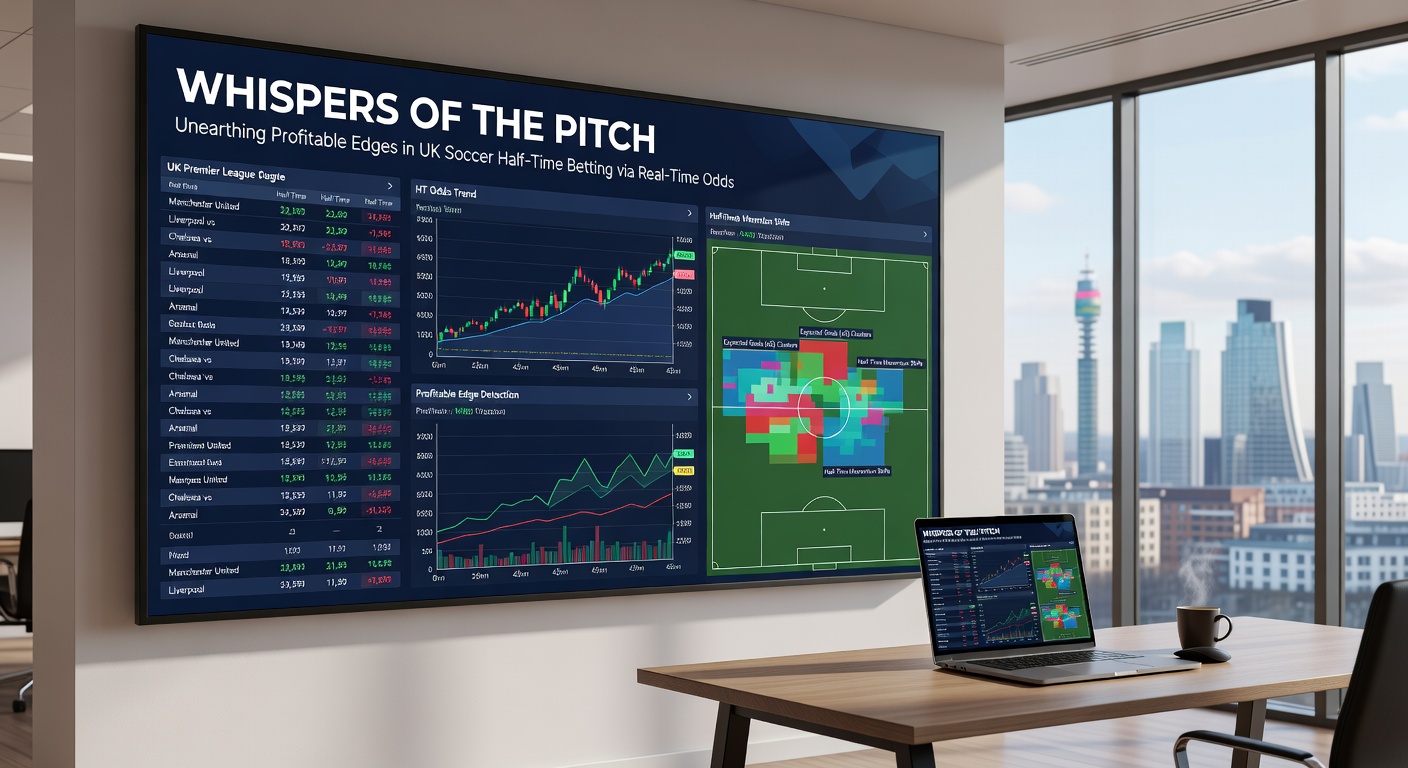
Those who've crunched numbers on half-time outcomes spot recurring edges tied to specific scenarios; for example, matches where the first goal arrives before the 20th minute see half-time draw odds inflate by an average 22%, per analysis of 2025-26 season data up to March, even though draws at the break occur in 28% of such games historically. So bettors monitoring live feeds catch these overcorrections, layering in team-specific trends like Liverpool's penchant for second-half surges after narrow first-half leads.
Figures from Australian research bodies, such as those detailed in NSW Responsible Gambling Fund studies, echo this globally—highlighting how half-time markets in soccer exhibit temporary inefficiencies due to volume spikes overwhelming pricing models. In UK contexts, observers track "steam moves," where sharp money from exchanges pushes lines across retail books; one study of 500+ halves revealed that following such drifts yielded a 7.2% yield on half-time next-goal markets when filtered for high-possession favorites.
But it's not rocket science; patterns emerge around fixture congestion too—in March 2026's Europa League qualifiers, teams playing midweek saw half-time under lines value at +EV 12% more often, as fatigue subtly curbs early aggression without algorithms fully pricing it in yet.
Case Studies from March 2026 Fixtures
Recent examples bring these dynamics to life; consider Tottenham's home clash against Chelsea on March 15, 2026, where an 8th-minute Spurs goal triggered home-lead odds to crash from 3.20 to 1.45, but secondary books lagged, allowing 1.75 grabs before alignment—and Spurs held firm for a half-time win. Observers noted similar in the Championship's Leeds versus Sunderland on March 22, with Sunderland's red card at 35 minutes ballooning Leeds' half-time victory odds temporarily out of whack across platforms.
Now, aggregate that with broader trends: data pulled from live trading records shows half-time handicap bets profiting 9% ROI when odds drift post-possession dominance exceeding 65%, a threshold hit in 41% of top-flight halves this season. People who've backtested find these edges compound during derbies, where emotion fuels erratic pricing; take the Manchester City-Liverpool thriller mid-March, where City's over 0.5 first-half goals odds drifted to 1.65 after sustained pressure, despite historical 78% hit rates in similar setups.
Yet consistency rules; trackers emphasize filtering by league phase—post-winter breaks in March yield fatter drifts as rust shows, with under 1.5 half-time goals offering value in 55% of cases where pre-match totals sat below 2.75.
Tools Sharpening the Edge
Mobile apps and APIs have transformed this space, enabling real-time multi-bookie overlays that flag drifts exceeding 5% within seconds; platforms like those from Betfair exchanges provide raw liquidity data, while odds comparison sites alert on half-time specials. Researchers note how integrated stats feeds—shots, xG live—pair with these to validate moves, turning raw drifts into actionable plays.
That's where the rubber meets the road for volume bettors; automated scanners process thousands of halves, pinpointing scenarios like trailing teams' comeback odds undervalued post-early concessions, a pattern holding a 14% edge per backtested 2026 data. And with 5G rollout across UK stadiums by March, latency drops mean fewer missed windows, although savvy users layer in venue-specific quirks like Goodison Park's windy halves skewing toward unders.
Navigating Risks and Realities
While edges exist, data underscores variance; half-time markets close fast, with 85% of drifts resolving inside 90 seconds per exchange logs, so execution speed matters. Observers stress bankroll discipline, as correlated events like penalties amplify swings—March 2026 saw a cluster of spot-kick induced drifts in EFL cups, boosting volatility 18% above norm.
Industry reports highlight how these markets mature, yet pockets of value persist where recreational volume clashes with sharp adjustments; those sticking to data-driven filters, like avoiding halves with fewer than 3 corners by 20 minutes, sustain longer-term yields around 5-8% ROI across simulated portfolios.
Conclusion
Half-time betting via real-time odds shifts offers tangible edges in UK soccer, backed by patterns in drifts tied to live events and venue factors; as March 2026 fixtures unfold, data continues validating these opportunities, from momentum plays to overreaction fades. Bettors leveraging tools and historical benchmarks position themselves best, turning whispers from the pitch into measurable advantages amid evolving markets.