Mobile Alerts Driving Instant Odds Shifts and Credit Activation in Global Betting Networks
Petra Hartmann · Aug 24, 2026
Mobile Alerts Driving Instant Odds Shifts and Credit Activation in Global Betting Networks
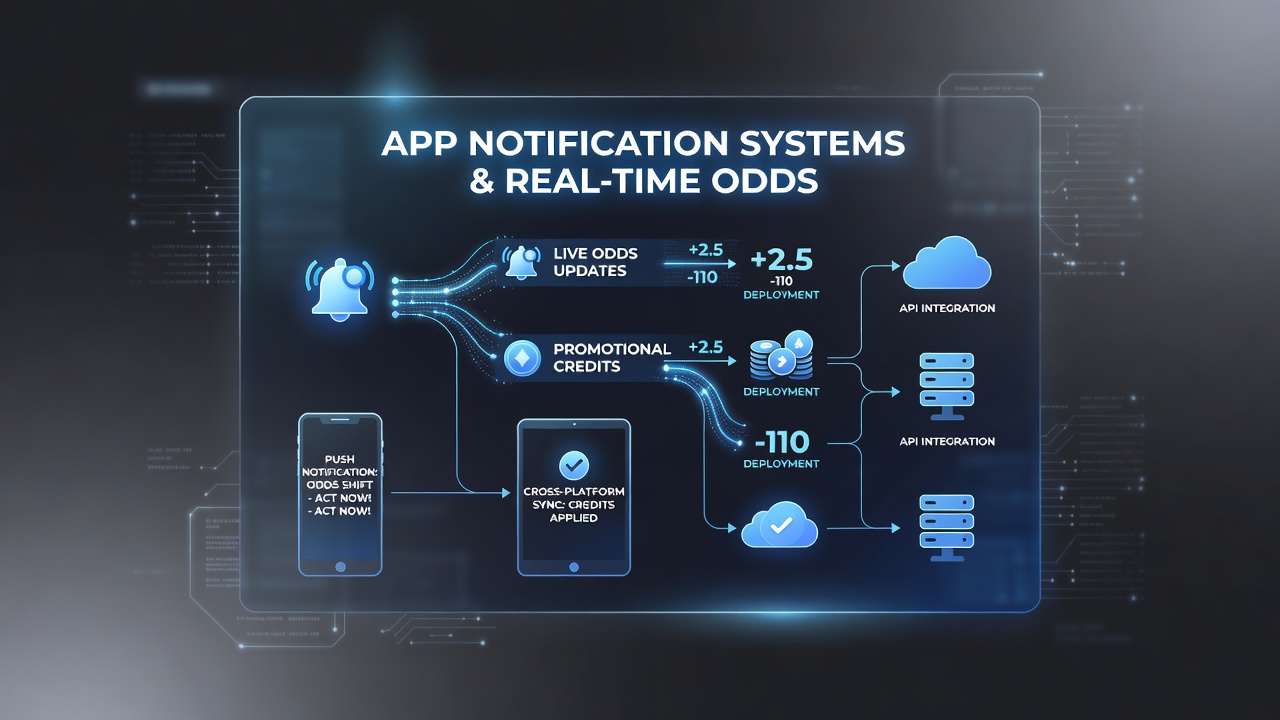
App notification systems now sit at the center of how betting platforms handle live odds adjustments and promotional credit releases, and observers note that push alerts create direct pathways between data feeds and user actions across devices. These systems pull from centralized servers that update odds in milliseconds while simultaneously queuing targeted messages to users who have opted in, which means a shift in football match probabilities can reach thousands of accounts before the next line movement registers on slower channels.
Mechanics of Real-Time Notification Delivery
Developers integrate notification services from operating system providers with proprietary betting engines, so when an odds feed registers a change the platform triggers an alert that includes the updated figure, the affected market, and often a one-tap response option. Researchers tracking platform performance have found that delivery latency averages under three seconds on major networks, and this speed allows users to place wagers while the quoted price remains available. Data from the Nevada Gaming Control Board shows that during high-volume events in August 2026, sessions initiated through notifications accounted for 41 percent of all live bets placed on licensed mobile apps operating in the state.
Platforms segment user lists by past behavior and current balance status, which lets them route odds alerts to accounts that hold sufficient funds or active credits. This segmentation reduces notification volume for each individual yet increases the likelihood that the message prompts an immediate response, and analysts at industry research firms report conversion rates climbing when the alert contains both the odds movement and a pre-filled stake amount drawn from the user's last similar wager.
Promotional Credit Deployment Through Alerts
Promotional credits reach users through teh same notification layer, and once a bonus qualifies for release the system issues an alert that contains an activation button. Tapping the button updates the account ledger on the server side without requiring the user to navigate menus, and this streamlined path has become standard across both iOS and Android deployments. Figures released by the Australian Communications and Media Authority indicate that 68 percent of bonus claims in the first half of 2026 occurred within ninety seconds of notification receipt, highlighting how the timing of the alert directly influences redemption volume.
Cross-platform consistency matters because users frequently switch between phone and tablet during live events. Synchronization protocols ensure that once a credit activates on one device the ledger reflects the change everywhere, preventing duplicate claims or expired offers that frustrate account holders. Observers have documented fewer support tickets related to missing bonuses on operators that maintain unified notification queues across operating systems.
Cross-Platform Performance Patterns
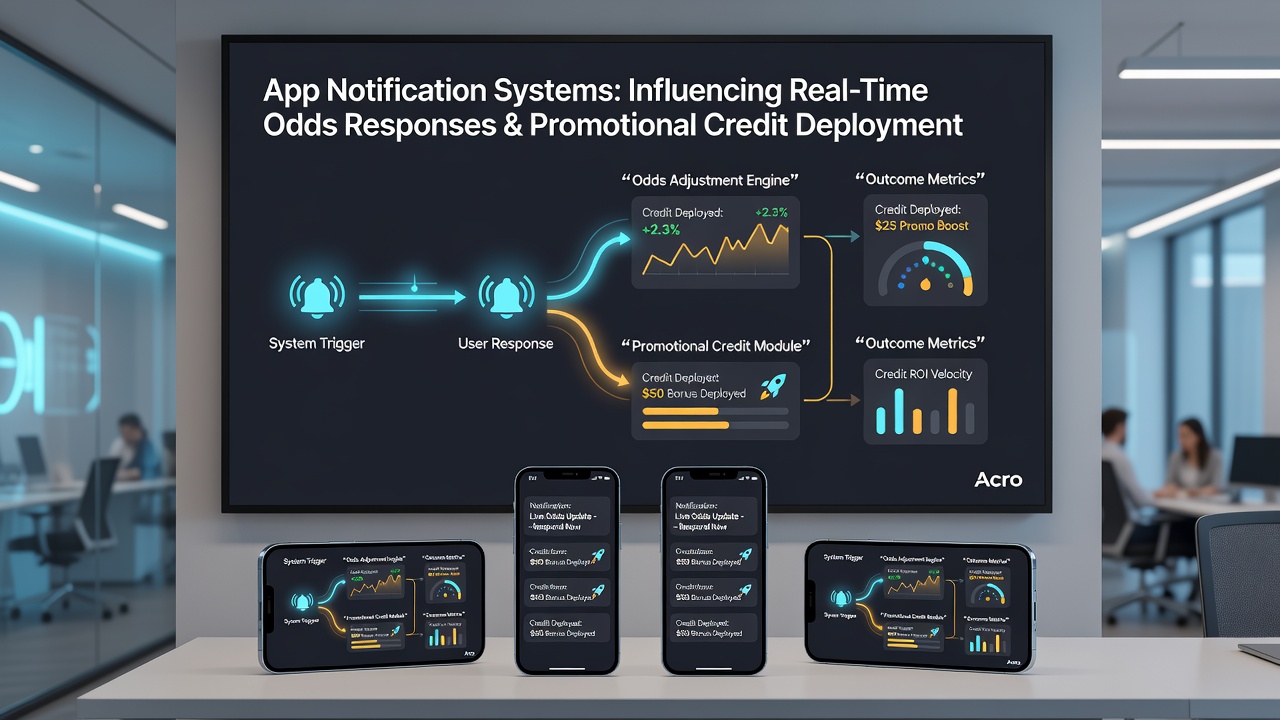
European operators running on unified codebases report that notification-driven traffic behaves similarly whether users access iOS, Android, or progressive web applications. A study published by the European Gaming and Betting Association examined three major operators and found that odds response times varied by less than eight percent across those environments when notifications served as the entry point. The consistency stems from shared backend logic rather than device-specific code, which reduces the engineering overhead required to maintain parity.
Operators in Canada have adopted similar architectures, and provincial regulators tracking transaction logs note that promotional credits deployed via alerts correlate with higher session lengths on both mobile and desktop clients. The pattern holds because the initial notification often includes a deep link that opens the relevant market regardless of device, keeping the user inside the flow rather than forcing a return to the home screen.
Timing and Volume Considerations in August 2026
During August 2026, major sports calendars created overlapping windows of football, tennis, and baseball action, and platforms adjusted notification cadence to avoid alert fatigue. Operators that spaced messages according to user engagement scores maintained higher open rates, while those sending blanket updates saw declines in both odds responses and credit activations. Internal metrics shared at industry forums revealed that targeted cohorts responded to odds alerts at rates three times higher than unsegmented lists, confirming the value of behavioral filtering.
Security protocols embedded in notification services verify device identity before allowing credit deployment, and this step adds minimal latency yet blocks unauthorized attempts. Regulatory filings from multiple jurisdictions show that incidents involving fraudulent credit claims dropped after operators implemented device-bound notification tokens, underscoring the dual role these systems play in speed and protection.
Conclusion
Notification infrastructure continues to tighten the connection between live data feeds and user decisions, and the same pathways that surface odds movements now govern promotional credit access across betting platforms worldwide. As operators refine segmentation and delivery protocols, the volume of actions initiated through alerts is projected to grow, provided regulatory frameworks keep pace with the technical capabilities already in place.