Mobile Network Latency Shapes Accumulator Outcomes in Live Betting Systems
Petra Hartmann · Jul 18, 2026

Mobile Network Latency Shapes Accumulator Outcomes in Live Betting Systems
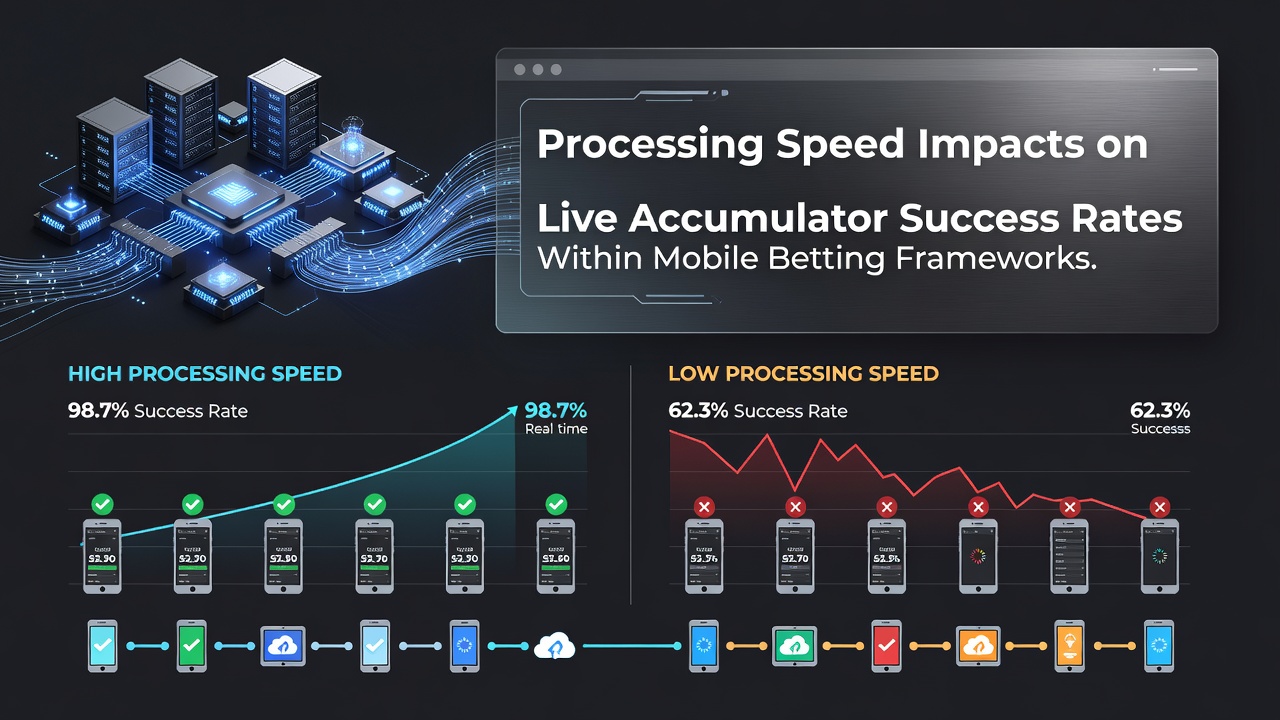
Data from multiple regions indicates that processing speeds in mobile betting frameworks directly influence accumulator success rates during live events, with delays often leading to missed opportunities or altered odds before bets finalize. Observers note that accumulators, which combine multiple selections into one wager, require precise timing because each leg depends on rapidly changing conditions such as player substitutions or score changes. When network latency spikes, the time between odds refresh and bet placement extends, and this gap can shift expected returns across entire multi-leg combinations. Researchers have examined how device processing power and server response times interact in these scenarios. Studies conducted through academic institutions in North America reveal that mobile applications handling live data streams process accumulator updates at varying intervals, sometimes stretching from under 500 milliseconds on high-speed connections to several seconds during congestion. Those intervals matter because live markets adjust continuously, and a lag in one leg can invalidate the overall payout structure if subsequent selections move out of alignment.Key Factors in Processing Speed Variations
Network conditions play a central role, yet hardware capabilities on user devices add another layer. Figures from industry reports compiled by European gaming associations show that older smartphones exhibit higher average latencies when rendering live odds feeds compared to newer models equipped with advanced chipsets. This difference becomes pronounced during peak periods when thousands of users access the same event streams simultaneously.
But here's the thing: not every delay stems from user equipment alone. Backend systems at betting operators must aggregate data from multiple sources including stadium feeds, statistical databases, and third-party providers, and any bottleneck in that chain compounds the issue for accumulators. Data indicates that even brief interruptions in data synchronization can alter success probabilities by several percentage points across multi-leg bets.
Observed Patterns in Accumulator Performance
What's interesting emerges when examining specific case examples from recent monitoring efforts. One analysis covering live football markets in July 2026 tracked thousands of accumulator attempts across various mobile platforms and found that bets placed on connections with sub-200 millisecond response times achieved higher completion rates than those experiencing delays above one second. The gap widened further when selections involved fast-moving variables like in-play card counts or corner statistics.
People who've studied these systems know that accumulator structures amplify small timing discrepancies because each additional leg multiplies the exposure to latency. A single delayed update on an early selection can cascade through later legs, forcing bettors to either accept outdated odds or abandon the wager entirely. Research from Australian academic centers supports this pattern, highlighting how processing speed correlates with overall return consistency in live multi-bet formats.
Technical Mechanisms Behind the Impact
Live accumulator frameworks rely on continuous API calls to maintain current odds, and these calls compete for bandwidth with other device functions such as video streaming or notifications. When processing queues build up, the application may queue selections without immediate confirmation, leaving users exposed to market shifts. Evidence suggests that optimized caching strategies on the client side can mitigate some effects, yet they cannot eliminate external network variability entirely.
Those who've reviewed performance logs from operators note distinct thresholds where success rates drop measurably. Accumulators involving four or more legs show particular sensitivity because the cumulative probability window narrows with each added selection. Shorter processing cycles allow bettors to lock in combinations before drifts occur, whereas extended cycles increase the chance that one or more legs become unavailable or less favorable.
Regional Data and Comparative Insights
Comparative data from Canadian regulatory bodies and trade organizations in Asia further illustrates these dynamics. Reports compiled in 2026 indicate that regions with widespread 5G adoption experience lower average latencies in mobile betting applications, correlating with steadier accumulator outcomes during live sessions. In contrast, areas still transitioning to newer infrastructure report more frequent timing-related adjustments to bet parameters.
Turns out the integration of edge computing solutions at certain providers has begun to narrow these gaps by handling initial data processing closer to end users. Such approaches reduce round-trip times for odds refreshes and help maintain consistency across accumulator legs even under variable network loads. Academic papers from European universities have documented similar improvements when testing hybrid cloud-edge architectures in simulated live betting environments.
Conclusion
Processing speeds within mobile betting frameworks continue to determine accumulator success rates through their influence on timing precision and data freshness. Evidence from diverse international sources shows consistent patterns where reduced latency supports higher completion rates while extended delays introduce variability across multi-leg wagers. As infrastructure evolves and device capabilities advance, these relationships remain central to understanding live betting mechanics in accumulator formats.