Nine Premier League Clubs Race for Shirt Sponsors Amid Gambling Ban, Eyeing £80m Revenue Gap
Petra Hartmann · Apr 7, 2026

Nine Premier League Clubs Race for Shirt Sponsors Amid Gambling Ban, Eyeing £80m Revenue Gap
The Ban Takes Effect
As April 2026 unfolds, nine Premier League clubs still scramble without front-of-shirt sponsors locked in for the upcoming season, a direct fallout from the gambling advertising ban finally kicking in after years of delays; this voluntary agreement, struck three years prior among clubs, broadcasters, and betting firms, aimed to phase out gambling logos from the most prominent spot on team kits, yet now it threatens a collective revenue shortfall approaching £80 million.
What's interesting here surfaces in the timing: originally set to roll out sooner, the ban got pushed back repeatedly until this next campaign, leaving mid-table and lower-tier sides particularly exposed since they relied heavily on those £8 million to £12 million deals from bookmakers; data from recent negotiations reveals typical values plummeting to £4 million to £5 million for most outfits outside the 'big six', forcing a scramble for alternatives in non-gambling sectors.
Clubs Adapt with Mixed Results
Brentford and Bournemouth already bit the bullet, accepting roughly 50% cuts in sponsorship worth by pivoting to partners like Indeed for Brentford and Vitality for Bournemouth, moves that highlight how quickly some teams pivot when the old revenue streams dry up; meanwhile, Everton and Fulham buck the trend, haggling over deals that could actually boost their hauls from non-gambling firms, showing not every shift spells pure pain.
And yet, those nine unsigned clubs—ranging from established mid-pack challengers to promotion hopefuls—face the real crunch, with observers noting how the ban disrupts a sponsorship model baked into English football for over a decade; research from sports marketing analysts indicates gambling firms sponsored 11 of 20 Premier League shirts just two seasons back, a dominance now shattered as regulators and clubs alike enforce the change.
Turns out, the 'big six'—Arsenal, Chelsea, Liverpool, Manchester City, Manchester United, Tottenham—sidestep much of the drama thanks to their global pull and diverse commercial portfolios, securing non-gambling megadeals well ahead, like airline giants or tech behemoths stepping in where bookies once reigned; for the rest, though, it's a different story, one where every unsigned deal amplifies the pressure heading into pre-season training camps.
Financial Ripples Across the League
Figures paint a stark picture: that potential £80 million hole emerges when stacking projected losses across the nine clubs, each missing out on mid-seven-figure sums that once funded wages, transfers, and stadium upgrades; one league insider's breakdown, echoed in Guardian reporting, pegs the average drop at 40-50% per deal, turning reliable cash cows into uncertain bets overnight.
But here's the thing complicating matters further—while clubs hunt replacements in fintech, health, or e-commerce, the pool of willing partners shrinks because front-of-shirt spots demand massive visibility, a premium gambling brands happily paid until now; studies from the European Sponsorship Association reveal non-gambling sectors hesitate on football's scale, preferring safer bets like niche sports or digital activations, leaving Premier League outliers in a bind.
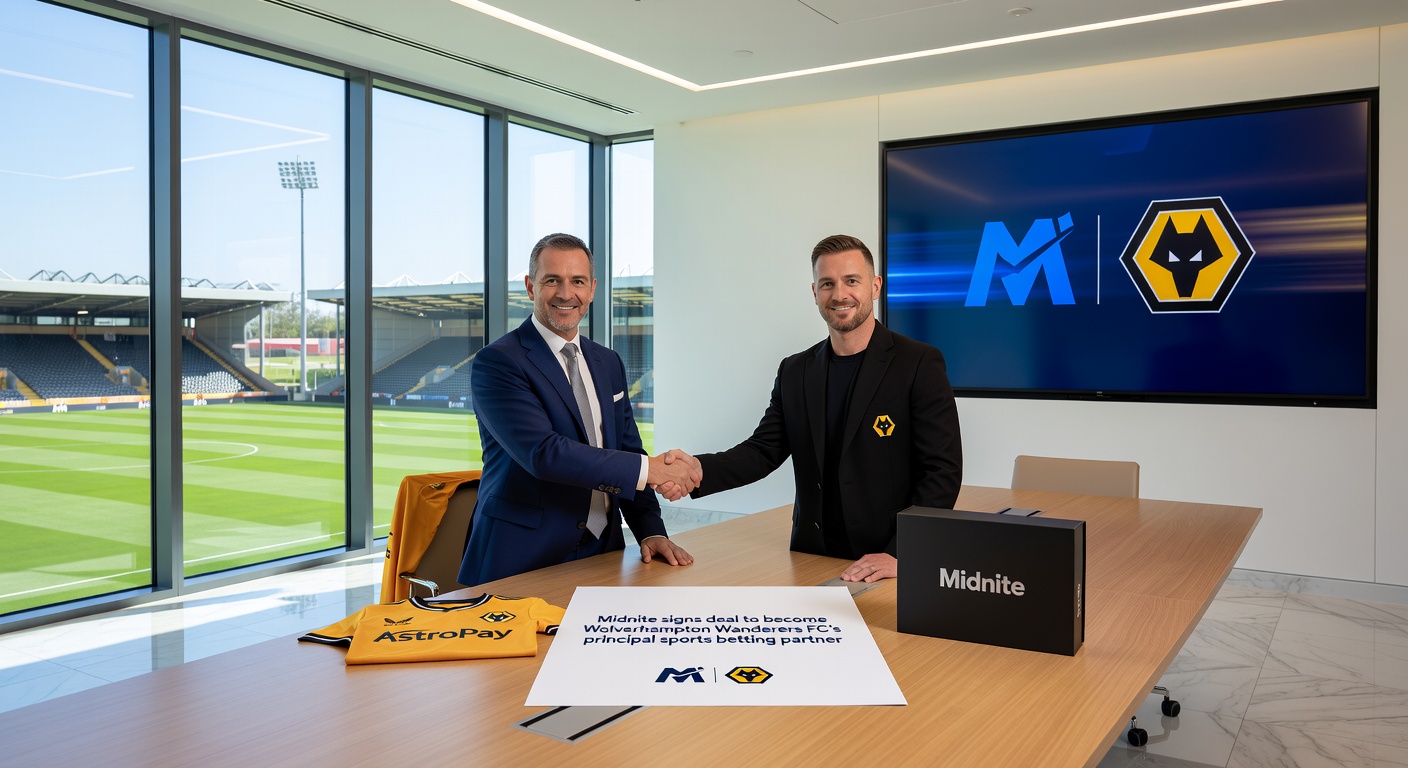
Take Nottingham Forest from last season's cohort: they inked a late non-gambling pivot that shaved millions off expectations, a pattern researchers see repeating; or Wolves, who navigated similar waters by bundling shirt rights with digital perks, yet even those maneuvers can't fully offset the void for everyone.
Negotiations Heat Up
Everton pushes for uplift from a mystery non-gambling heavyweight, whispers suggest tied to energy or logistics, while Fulham eyes similar gains from wellness brands scouting Premier League exposure; such deals underscore a silver lining, where savvy negotiators leverage fanbases and broadcast reach to command premiums elsewhere, although for the unsigned nine, time ticks down fast with squads reporting soon.
League-wide, the shift accelerates a broader detox from gambling ties—stadium naming rights and sleeve spots linger under scrutiny, but front-of-shirt stands as ground zero; experts who've tracked sponsorship flows point to Australia, where a similar ban via the Australian Communications and Media Authority slashed A-League deals by 30% initially, only for tourism boards and telcos to fill gaps over time, hinting at possible recovery paths for England's top flight.
So, as May friendlies loom, those nine clubs hustle boardrooms alongside pitches, blending commercial pitches with on-field preps; the ball's squarely in their court now, with non-gambling suitors weighing risks amid football's volatile spotlight.
Broader League Dynamics
Financial fair play rules add another layer, since lost shirt revenue tightens transfer purses already squeezed by profit caps; clubs like Leicester or Southampton, fresh from promotions or stabilising, feel this pinch hardest, where every million counts toward squad depth; data indicates smaller sponsors balk at £10 million asks, preferring £3-4 million packages bundled with social media shoutouts or matchday activations.
Yet patterns emerge from early adapters—Brighton locked in a tech firm's logo at near-parity value by touting global streaming audiences, a tactic others mimic; it's noteworthy how the ban, voluntary at core, gained teeth through collective buy-in, dodging outright government mandates that plague leagues Down Under or across the EU.
Observers note parallels to MLB in the US, where tobacco bans decades back forced similar pivots, ultimately diversifying revenue without long-term collapse; for Premier League, the test lies in whether £80 million evaporates or redistributes swiftly.
Conclusion
The gambling ban reshapes Premier League commerce in real time during this April 2026 scramble, with nine clubs teetering on an £80 million precipice yet showing flashes of resilience through Brentford's Indeed switch, Bournemouth's Vitality nod, and Everton-Fulham's upside hunts; while values dip sharply from £8-12 million to £4-5 million norms outside elites, the league's adaptability—forged in tougher financial eras—suggests adaptation ahead, albeit with short-term scars that ripple through transfers, wages, and ambitions for seasons to come.