Transaction Speed Metrics and Their Correlation with Live Event Wagering Volumes
Finley Vogel · Aug 17, 2026
Transaction Speed Metrics and Their Correlation with Live Event Wagering Volumes
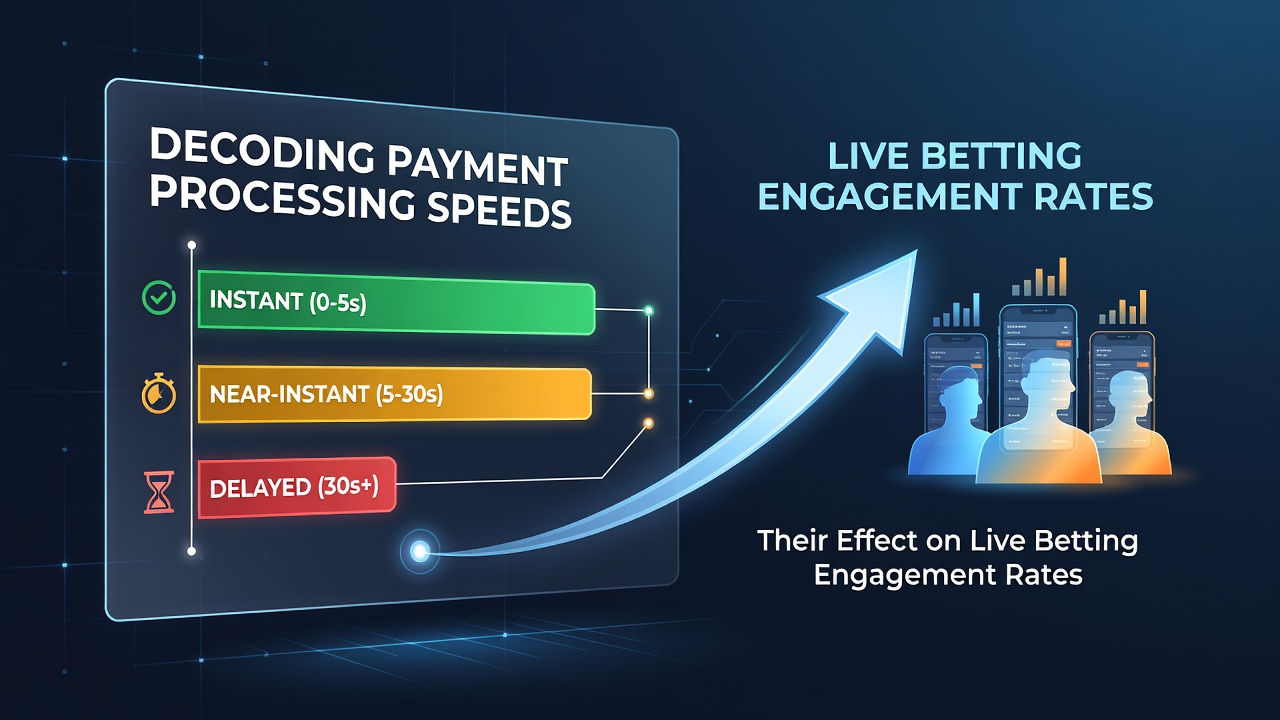
Payment processing speeds determine how quickly users can fund accounts and place wagers during ongoing sports events, and industry analyses connect these speeds directly to participation levels in live betting markets. Operators integrate multiple payment rails such as e-wallets, instant bank transfers, and card networks, while the duration from authorization to confirmation ranges from under three seconds for optimized systems to over thirty seconds for traditional methods. Data compiled through platform analytics reveal that sessions featuring sub-five-second deposits generate higher volumes of in-play bets compared with slower alternatives, because users maintain momentum when events unfold rapidly on screen.
Core Components of Processing Infrastructure
Live betting platforms rely on API connections between payment providers and betting engines, and these connections must handle authentication, fraud screening, and fund movement in sequence. Systems that employ tokenization and pre-verified user profiles reduce verification steps, whereas legacy setups require additional checks that extend overall latency. Observers note that regions with advanced real-time payment schemes, including certain EU instant transfer frameworks and Australian New Payments Platform integrations, demonstrate measurable differences in transaction completion rates during peak live event windows.
Measured Impacts on Engagement Metrics
Studies tracking user behavior across multiple operators indicate that engagement rates rise when deposit confirmation occurs before the next significant in-game moment, such as a goal or point change. One analysis of session data showed average bet frequency increasing by measurable percentages when processing stayed below eight seconds, while delays beyond fifteen seconds correlated with session abandonment in roughly one out of five attempts. Researchers examining mobile traffic patterns found that users who completed instant deposits during halftime periods continued wagering at sustained rates through the second half, whereas those encountering longer waits often exited without further activity. These patterns hold across football, tennis, and basketball markets where odds shift continuously.

Further examination of withdrawal speeds shows parallel effects, because users who receive winnings promptly demonstrate greater willingness to redeposit and engage again within the same live session. Platforms offering near-instant cashouts through certain e-wallet partners record repeat transaction counts that exceed those of slower payout channels by noticeable margins, according to aggregated operational reports. In August 2026 several major operators updated their processing layers to incorporate newer instant settlement protocols, and subsequent monitoring captured elevated live betting volumes during major summer tournaments compared with prior seasons using previous infrastructure.
Regional Variations and Provider Differences
North American markets regulated under frameworks such as those overseen by the New Jersey Division of Gaming Enforcement exhibit distinct processing profiles versus markets in Asia where local digital wallet dominance accelerates fund movement. Canadian provincial systems and certain South American regulatory environments introduce their own latency variables tied to banking integrations and compliance layers. Industry reports from organizations like the European Gaming and Betting Association highlight how standardized instant payment interfaces reduce friction points that previously interrupted live betting flows. Academic examinations of transaction logs, including work referenced through university-affiliated gaming research centers, consistently map shorter processing intervals to elevated click-through rates on live odds updates.
Technical and Regulatory Influences
Security protocols required by licensing authorities add mandatory verification layers that can extend processing times, yet newer encryption and risk-scoring algorithms allow many checks to occur in parallel rather than sequentially. Payment providers that maintain direct connections with betting operators bypass intermediary banks in some jurisdictions, trimming seconds from each transaction cycle. Data from technology audits show that platforms combining biometric authentication with stored payment credentials achieve the lowest average latencies while still satisfying regulatory standards across different territories.
Conclusion
Payment processing speeds function as a measurable variable in live betting ecosystems, and available platform data along with regulatory filings demonstrate consistent associations between faster transaction completion and sustained user participation during dynamic events. Operators continue refining connections to real-time rails while balancing compliance obligations, and ongoing monitoring through industry and academic channels tracks resulting shifts in engagement patterns across markets. These developments reflect infrastructure choices that directly shape how participants interact with live odds and in-play opportunities.